
Radio interference signals are mainly electromagnetic energy that enters the receiving device channel or system through direct or indirect coupling. It can affect the reception of received signals required for radio communication, resulting in performance degradation, quality deterioration, information errors or loss, and even blocking the communication. Therefore, it is generally said that the fact that useless radio signals cause the quality of useful radio signals to decrease or damage is called radio interference.
Previously we have an article about the analysis and solutions of antenna interference in satellite communication, including polarization interference, adjacent frequency interference, forwarding interference, etc. Please click here to read the full article. Today we will focus on analyzing how to interfere with radio from several aspects, such as physical obstacles, weather conditions, electromagnetic interference (EMI), solar activity, atmosphere, and frequency bands. For example, heavy rain can reduce the signal strength of 12 GHz by 20 dB per kilometer. Solutions include using higher frequencies to obtain clearer paths or placing antennas to avoid reflective surfaces and interference sources. Please go ahead for further details.
1. Obstacles in the physical realm
Obstructions in the physical realm have a lot to do with radio waves, and they can interfere with or weaken the signal€”depending on the type of obstruction and its density in the path. Whether it's urban, rural, or climate change, understanding the impact of various materials and environments can help more effectively design solutions to improve clarity and range.
2. Weather Condition
Variations in radio wave propagation depend greatly on the type of signal and the frequency at which it is transmitted. Other factors that can cause fluctuations in radio signal clarity and range include rain, fog, snow, and thunderstorms€”all of which can affect radio signals, especially those transmitted at high frequencies. This knowledge is critical when using radio communications, as weather attenuation can sometimes be severe and can affect the reliability of communications.
3.Electromagnetic interference (EMI)
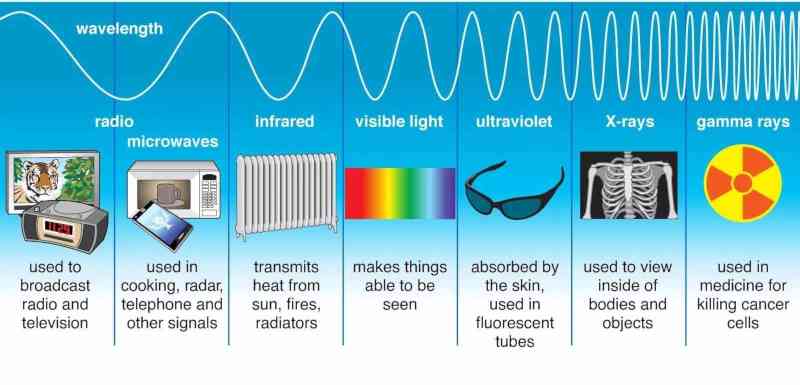
Types of Electromagnetic Radiation
Different electrical devices emit electromagnetic wave frequencies that can interfere with radio communication signals. EMI can come from a variety of sources, from home appliances and cell phones to complex machinery in industry; each of these sources can have different effects on radio signals depending on their distance, power, and frequency. It is important to understand the effects of EMI and how to eliminate them, especially in urban or industrial areas where high concentrations of interference sources are common.
Solar activity
Solar activity, especially at long distances and at high altitudes, can severely affect the propagation of radio waves. Solar flares, sunspots, and solar winds can disturb Earth's ionosphere €“ a vital layer that radio waves need to pass through to reflect back to Earth. These solar events can cause fluctuations in the density of the ionosphere, which can affect signal strength, clarity, and transmission range in various frequency bands; especially high-frequency radio communications, which are commonly used for aviation and maritime communications.
5. Atmosphere
These atmospheric layers are very important for the behavior of radio waves, especially in their long-distance propagation. Each atmospheric layer affects radio signals differently, depending on the frequency and environmental conditions; namely, the troposphere, stratosphere, and ionosphere. This will help in understanding the above effects, and thus managing and optimizing radio communications for specific applications such as broadcasting, aviation, and marine navigation.